Living with the Land, Not Just on It

By Vicki Patterson
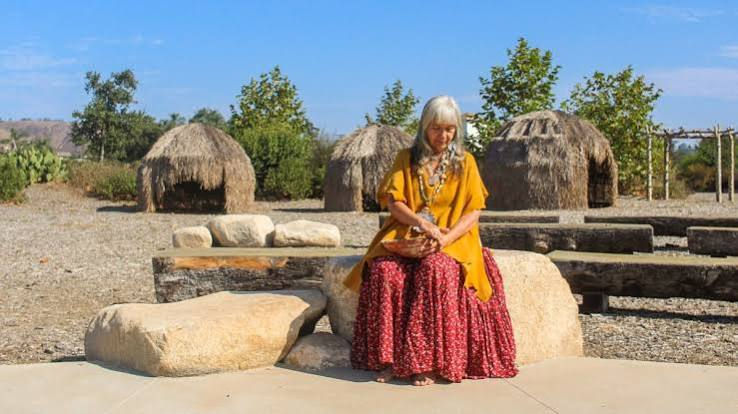
Long before plastic made life convenient and disposable, people carefully crafted the things they needed by hand.
A single basket wasn't simply made in an afternoon. The materials had to be gathered, prepared and woven with patience. Some baskets took months or even years to complete.
They weren't replaced when they wore out. They were cared for, repaired, treasured and often passed from one generation to the next.
Today, many of us live in a world that celebrates speed.
We drive on freeways to work, pay our bills online in seconds, order products with one click and shop in stores where meals are already prepared and packaged for us.
Convenience has become the expectation. We have become a grab and go society.
While many of these innovations make life easier, they have also quietly disconnected us from something essential: the process.
We've become accustomed to consuming without seeing where things come from, replacing instead of repairing and moving so quickly that we rarely pause long enough to appreciate what we already have.

Choosing Connection Over Convenience
Plastic Free July isn't just about refusing plastic straws or carrying a reusable water bottle.
It's an invitation to slow down. To ask ourselves what life looked like before everything became disposable. To remember that caring for the things we own is just as important as acquiring them.
Slowing down isn't about giving up modern life. It's about being intentional within it.
We can live in the middle of a city and still grow vegetables on a patio. We can mend clothing that still has years of life left in it. We can make something with our own hands that becomes part of our home instead of another item headed for the landfill.
These simple acts reconnect us with the Earth instead of simply consuming.
They remind us that we are part of the natural world, not separate from it.
When we reconnect with nature, we often discover that we need less, appreciate more and find joy in creating instead of collecting.

Once Upon a Time
Once upon a time, your tribe may have consisted of around 150 people. (Dunbar’s number)
These were the people you lived beside, worked alongside, celebrated with and depended on. You knew their stories, their strengths and they knew yours.
Today, many of us follow hundreds or even thousands of people online while being exposed to millions of opinions, advertisements, videos and messages every year.
Our brains were never designed for that constant stream of information.
Before we had endless digital connection, community was something you sat inside of not something you scrolled through.
You learned from your neighbors. You gathered around meals. You worked together. You cared for one another.
Perhaps that's why so many of us feel connected online, yet disconnected in everyday life.
For generations, the Acjachemen people gathered materials from the land with care, taking only what was needed and respecting the plants and places that sustained them.
Basket weaving is more than a craft, it reflects patience, knowledge, family, community and a relationship with the Earth that has been passed down through generations. There is much we can learn by slowing down enough to listen.
Traditional basket weaving reminds us that the strongest communities, like the strongest baskets, are built slowly. Strand by strand. Story by story. Person by person.
This Plastic Free July, Stand Up To Trash and the Juaneño Band of Mission Indians, Acjachemen Nation invite you to experience a different pace of life.
Join us for yoga, a beach cleanup and Lunch & Learn of traditional basket weaving as we explore how caring for the Earth begins by changing the way we relate to it.
Perhaps the greatest thing we make that day won't be the basket itself.
Perhaps it will be a renewed sense of connection to one another, to this land and to the simple truth that we are not separate from nature. We are part of it.



Comments